Soft Water vs. Hard Water: What Wauwatosa WI Homeowners Should Know
From cloudy glassware to mineral deposits around faucets, hard water can affect everyday household chores. Learn how soft water differs, what changes you may notice, and how to decide whether a water softener is right for your Wauwatosa home.
What Is the Difference Between Soft Water and Hard Water?
The main difference between soft water and hard water is the amount of dissolved calcium and magnesium they contain. These minerals occur naturally in water and are responsible for many familiar signs of hardness, including scale on fixtures and spots on dishes.
Hard water can make soap less effective and leave mineral deposits on surfaces that are frequently exposed to water. Softened water has had much of its calcium and magnesium removed, which can make cleaning easier and reduce the buildup that develops over time.
Wauwatosa receives its municipal water from Milwaukee Water Works, which treats water from Lake Michigan. Local water hardness is commonly reported in the moderately hard range, although the amount can vary depending on the source and conditions at a particular property. Testing your tap water is the best way to determine whether treatment would provide meaningful benefits.
How Hard Water Affects Cleaning Around the Home
Hard water can turn routine cleaning into a recurring task. When water evaporates from faucets, shower doors, and glassware, it can leave behind mineral deposits. These marks may be especially noticeable in kitchens and bathrooms where water is used throughout the day.
Soap and shampoo can also behave differently in hard water. Calcium and magnesium interfere with lathering, which may lead people to use more cleaning products than necessary. Soap residue can remain on shower surfaces, while laundry may feel stiff or look less bright when washing conditions are not well suited to the water.
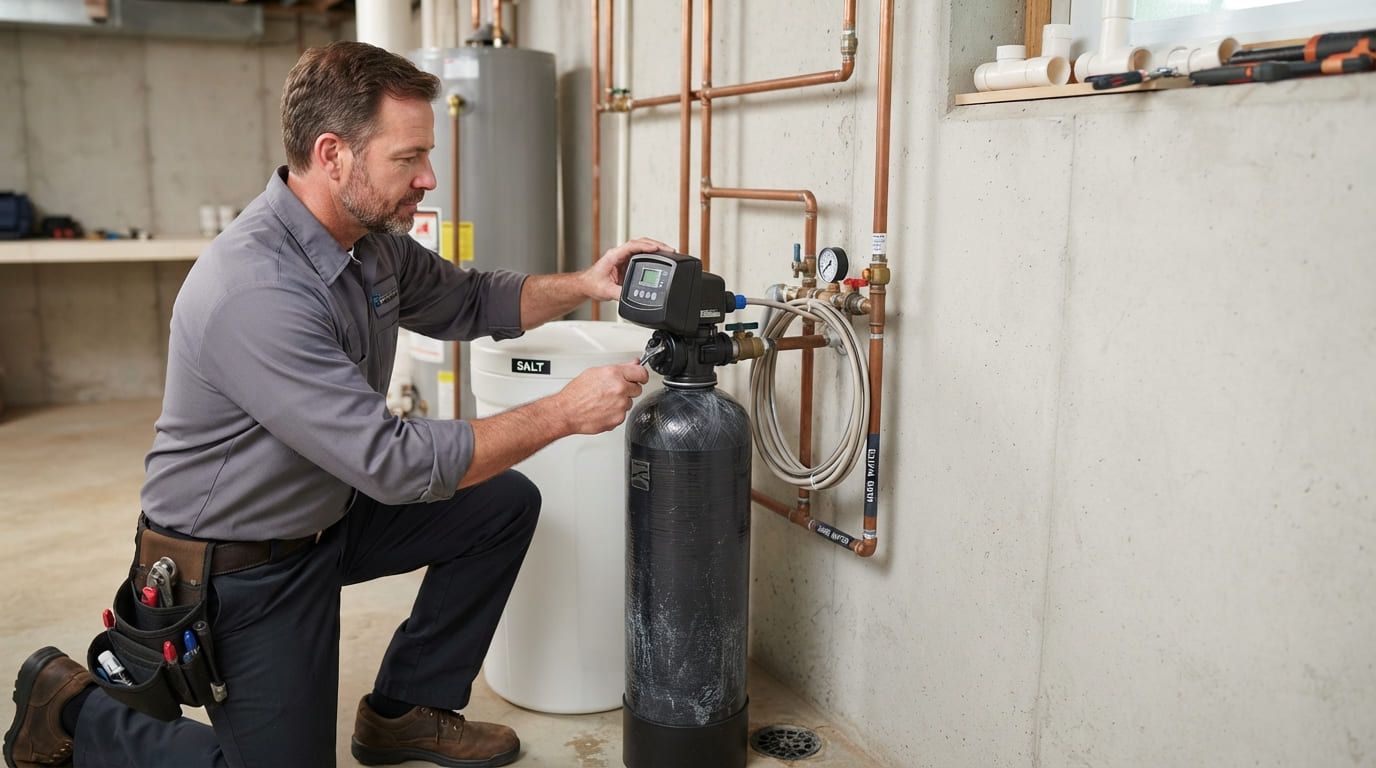
A water softener reduces hardness minerals before the water reaches many household fixtures. This can help limit mineral scale and make it easier to keep surfaces clean, although regular cleaning is still necessary.
Soft Water and Laundry: What Changes?
Hard water minerals can interact with laundry detergents and contribute to residue on fabrics. Depending on the detergent, washing machine, water hardness, and laundry habits, clothing and towels may feel rough or appear dull after repeated washing.
Softened water can improve detergent performance by reducing the calcium and magnesium that interfere with cleaning. Some households may find they can achieve satisfactory results with less detergent, but the right amount still depends on the product instructions and the size and soil level of each load.
If your laundry feels stiff or develops visible residue, water hardness is one factor worth investigating. Detergent buildup, overloading the washing machine, and an unsuitable wash cycle can also contribute to the problem.
Why Glassware and Bathroom Fixtures Get Spotted
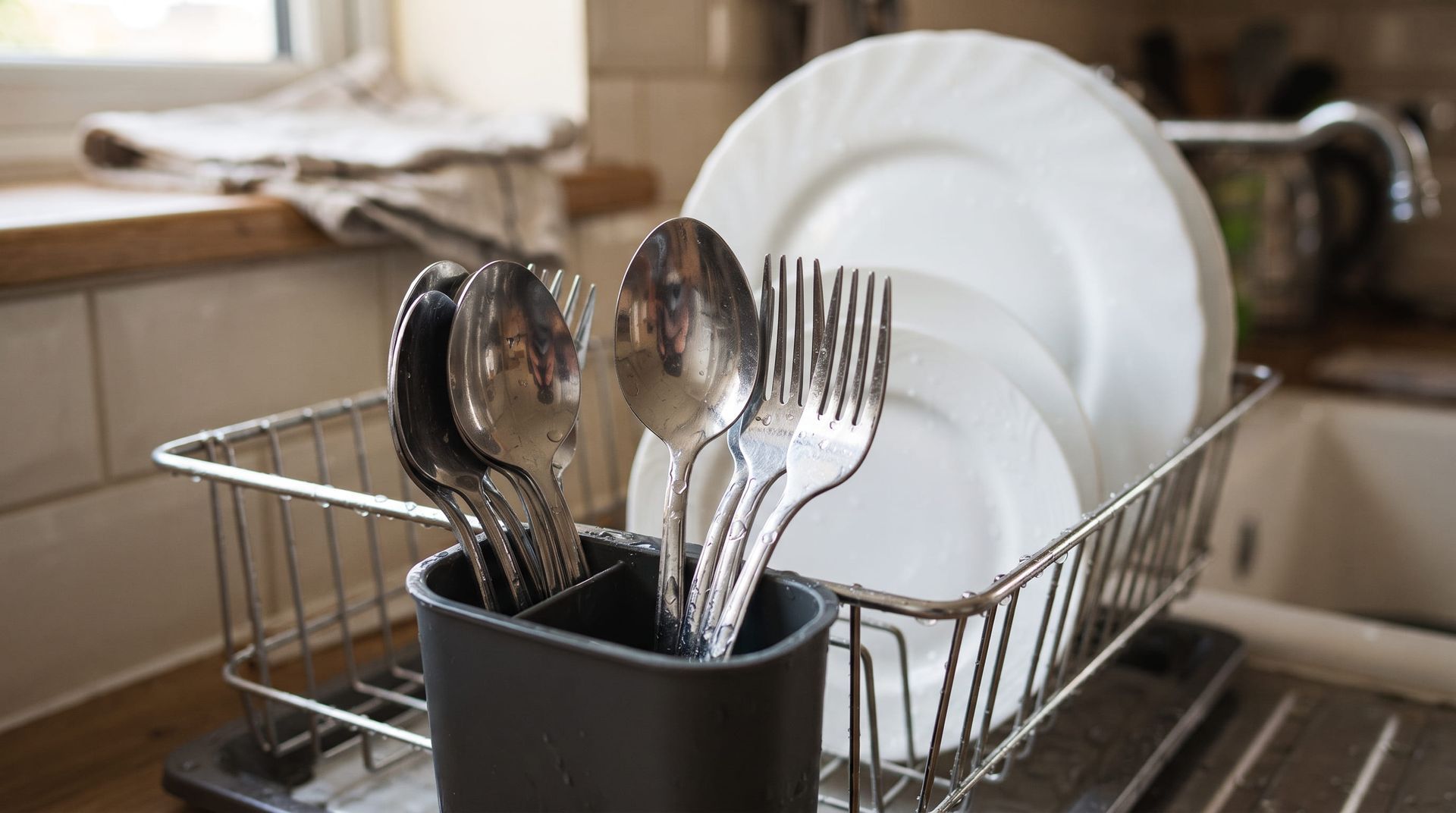
White marks on glassware and mineral rings around faucets are common complaints in homes with hard water. These deposits form when water evaporates and leaves minerals behind.
A softener can reduce deposits caused by calcium and magnesium, helping glassware retain a clearer appearance and making bathroom fixtures easier to maintain. However, softened water will not prevent every type of spot. Detergent residue, rinse aid performance, and other dissolved substances can still affect glassware.
For better results, wipe wet surfaces when practical and follow the care instructions for your dishwasher and fixtures. Reducing hardness can make routine maintenance easier, but it is not a substitute for appropriate cleaning.
Does Soft Water Feel Different on Your Skin and Hair?
Some people notice that soap rinses more easily and that their skin or hair feels different after switching to softened water. This is partly because hard water minerals can interact with soaps and shampoos, leaving residue behind.
The experience varies from person to person. Softened water is not a medical treatment for skin conditions, and it will not guarantee that dryness or irritation disappears. Water temperature, personal care products, and individual skin needs also influence how your skin feels after bathing.
If you notice a change after installing a softener, consider your usual bathing products and routine as well as the water itself.
Should Every Wauwatosa Home Have a Water Softener?
Not necessarily. The decision depends on your water hardness, household preferences, plumbing conditions, and how much mineral buildup you experience.
Because Wauwatosa receives treated Lake Michigan water through Milwaukee Water Works, homeowners should avoid assuming that their water has the same hardness as every nearby community. The city's official water quality reports provide information about the municipal supply, while a hardness test at your own tap can help guide a treatment decision.
A conventional water softener is designed primarily to reduce calcium and magnesium. It is not a complete water purification system and should not be expected to remove every contaminant. If you have concerns about iron, sediment, taste, or other water quality issues, identify those concerns separately before selecting equipment.
How to Decide Whether Softening Is Worth It
Start by looking at the problems you want to solve. Frequent mineral deposits, recurring scale, and cleaning difficulties may indicate that reducing hardness would be useful. A water test can establish the hardness level and help determine the appropriate system size.
It is also important to consider ongoing salt use, regeneration water, maintenance requirements, and the needs of your household. A properly selected system should match actual water conditions rather than rely on guesswork.
If you are unsure whether hard water is causing your household problems, compare a hardness test with the visible symptoms and seek professional advice before investing in treatment.
Explore Water Softening Options in Wauwatosa WI
The difference between soft water and hard water often becomes most noticeable during everyday tasks, from washing laundry to cleaning shower doors. Reducing hardness minerals may help control scale and make household cleaning more manageable, but the best solution depends on your water and your priorities.
Wauwatosa Water Softener helps homeowners in Wauwatosa, WI explore water treatment options for hard water, mineral buildup, and household comfort. Contact Wauwatosa Water Softener to discuss your concerns and learn which water softening solution may suit your home.
You might also like